
Candles
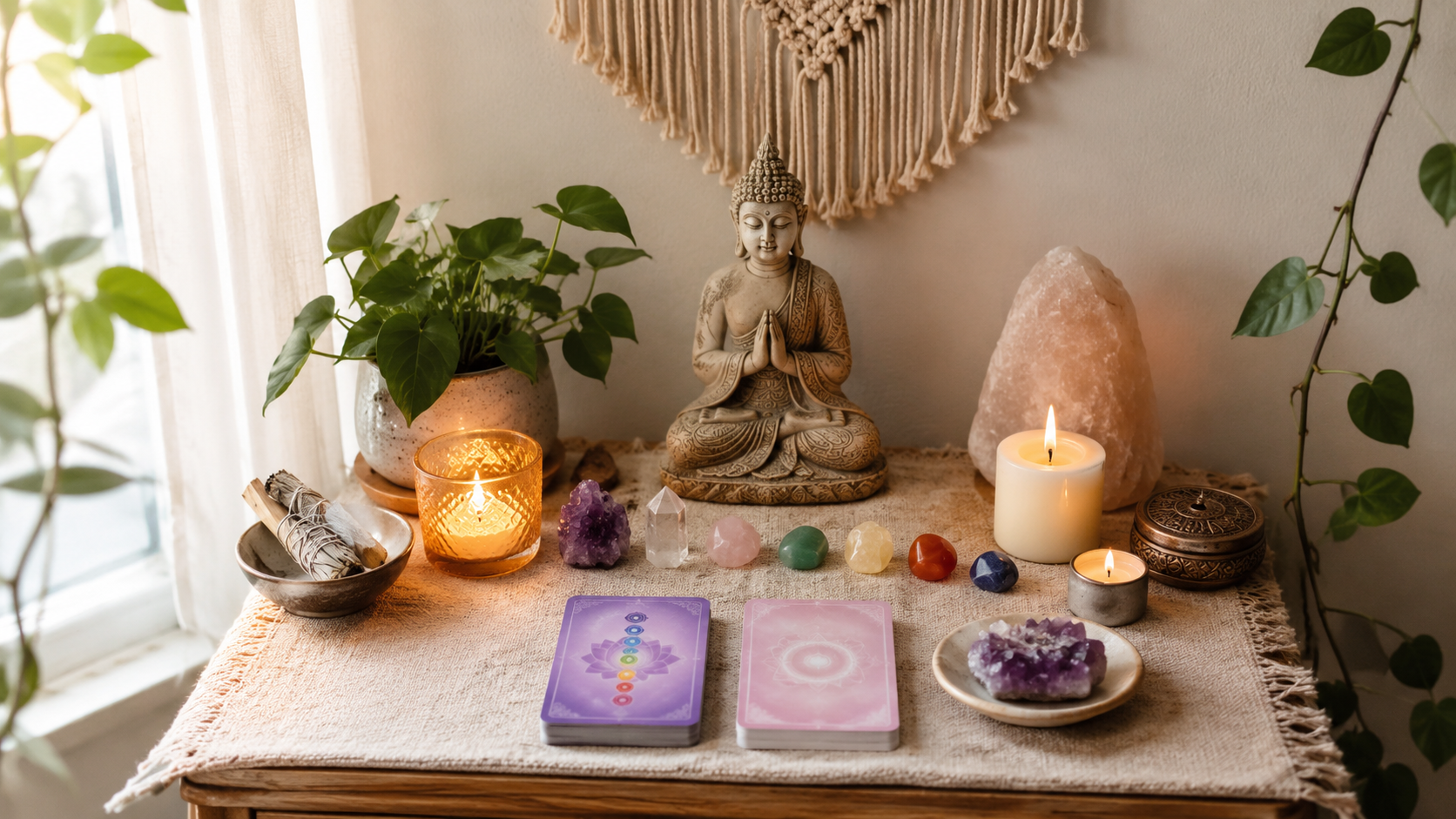
Candles can represent light, clarity, prayer, warmth, focus, or the beginning of a spiritual practice.
Spiritual Altar
Updated May 12, 2026
A simple way to create a peaceful space for reflection, meditation, and spiritual practice.
A spiritual altar can be as simple as a small table, shelf, tray, or corner filled with meaningful items. It gives you a place to pause, reflect, meditate, pray, journal, or reconnect with your energy.
A spiritual altar is a small space set aside for reflection, meditation, prayer, energy work, journaling, or personal spiritual practice. It can be simple, beautiful, private, and deeply personal.
Your altar does not need to follow strict rules. It can hold the items that help you feel calm, focused, connected, supported, or spiritually centered.
For some people, an altar becomes a place to begin the day with intention. For others, it becomes a quiet space to return to when they need grounding, clarity, or comfort.
Start by choosing a small area that feels peaceful and easy to return to. This might be a shelf, table, nightstand, desk corner, windowsill, tray, or small area near your meditation space.
The space does not need to be large. In fact, a smaller altar can be easier to keep clean, intentional, and meaningful.
If possible, choose a spot where your altar will not be disturbed often. A steady place can help the altar feel like a familiar anchor in your spiritual practice.
You can place anything on your altar that supports your spiritual growth, healing, reflection, or intention. Choose items that feel meaningful instead of trying to include everything at once.
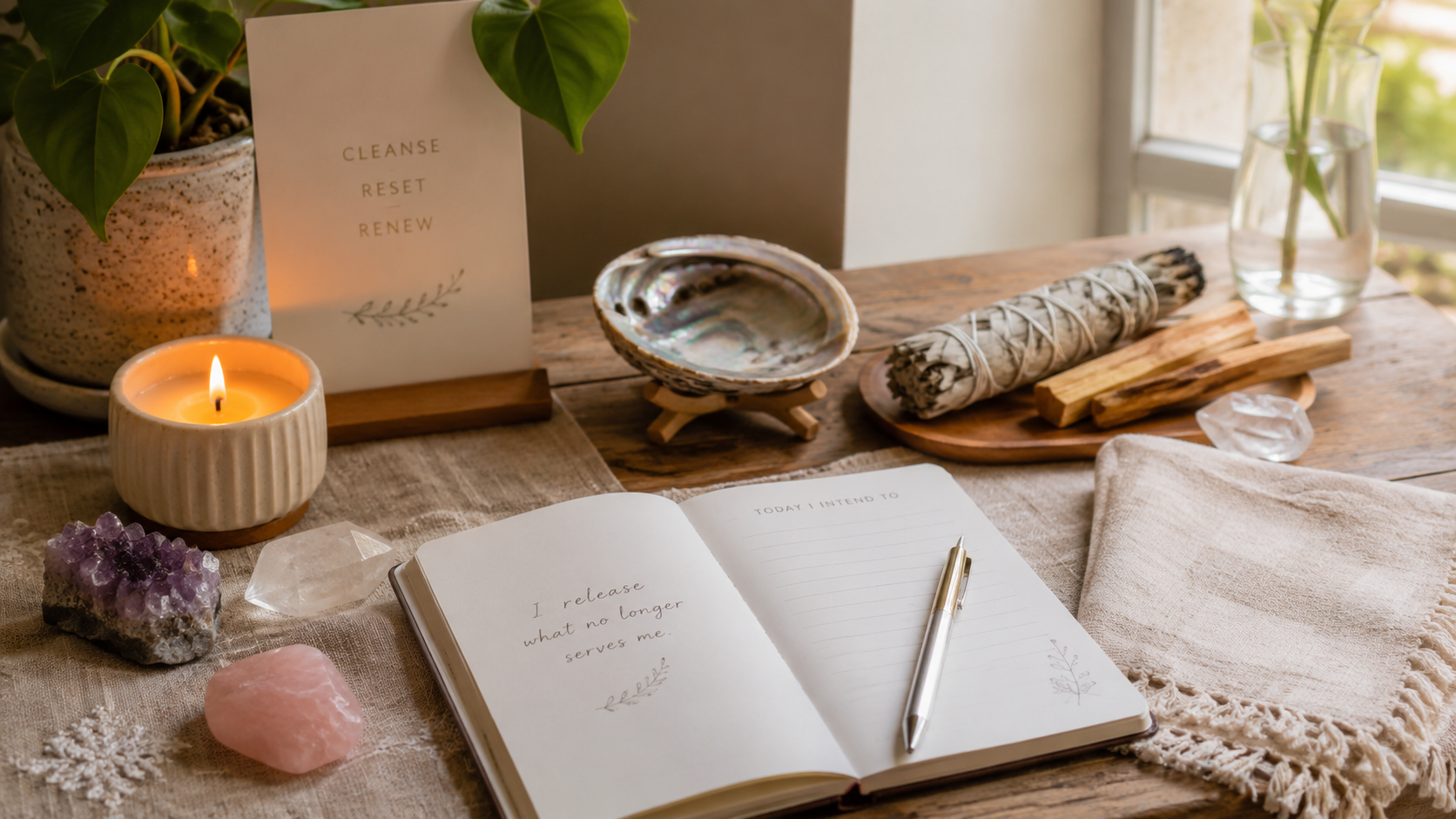
Candles can represent light, clarity, prayer, warmth, focus, or the beginning of a spiritual practice.
Crystals can support meditation, chakra work, grounding, emotional healing, or personal intention.
Chakra cards, oracle-style cards, or affirmation cards can give your practice a simple reflection point.
You may include symbols, images, statues, sacred objects, or reminders connected with your personal beliefs.
Plants, flowers, stones, shells, wood, feathers, or water can bring a grounded natural feeling to your altar.
A journal can help you write intentions, reflections, prayers, affirmations, dreams, or moments of gratitude.
Your altar can be used in whatever way feels meaningful. You might light a candle, choose a card, hold a crystal, say a prayer, meditate, journal, or simply sit quietly for a few breaths.
You can also use your altar to set an intention. For example, you might stand or sit near it and say, “Today I choose peace,” or “I welcome clarity and healing.”
Try not to overthink it. Your altar is not about performance. It is a quiet place to return to yourself and remember what matters to you.
Your altar can change over time. You may add new items, remove things that no longer feel connected, or shift the altar with the seasons, moon phases, personal goals, or spiritual focus.
Start simple. Choose a few meaningful items, keep the space clean, and let your altar become a gentle support for your healing and spiritual practice.
Helpful next step
An altar can help you create a sacred point of focus. If you want a steady inner-healing routine to go with that space, 12 Steps to Deep Inner Healing offers 12 daily lessons for meditation, prayer, energy clearing, and spiritual reflection.
Not sure where to focus?
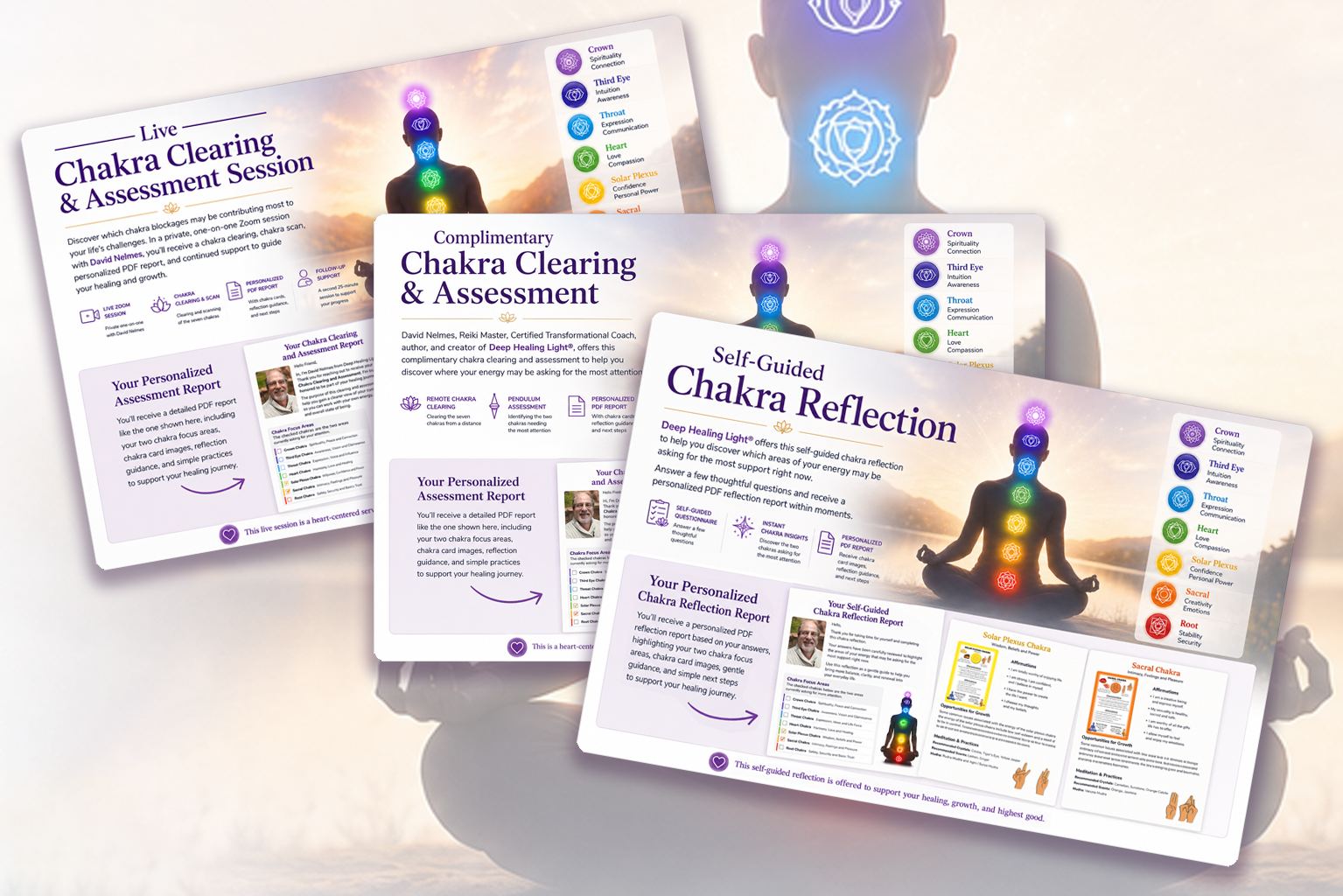
Choose a personal chakra reading and clearing, request the complimentary remote reading and clearing, or take the free chakra test for an immediate self-guided result. Each option helps narrow your focus to two chakra areas and provides a personalized Chakra Assessment Report with guidance for your next steps.
If this guide was helpful, you may also enjoy these related Learning Center guides.
Spiritual Altar
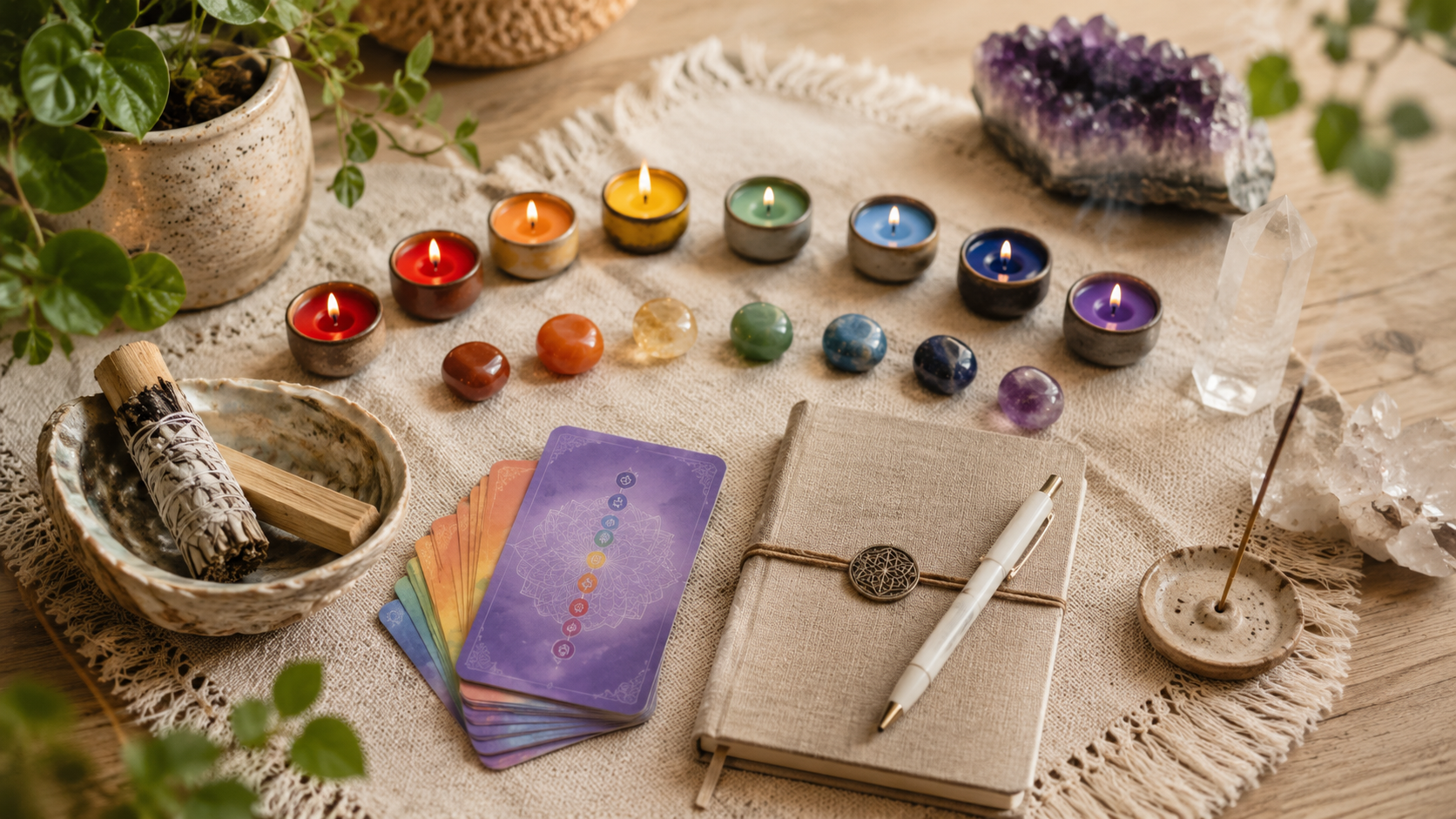
Simple chakra tools that can bring focus, color, and intention to your altar space.
Spiritual Altar
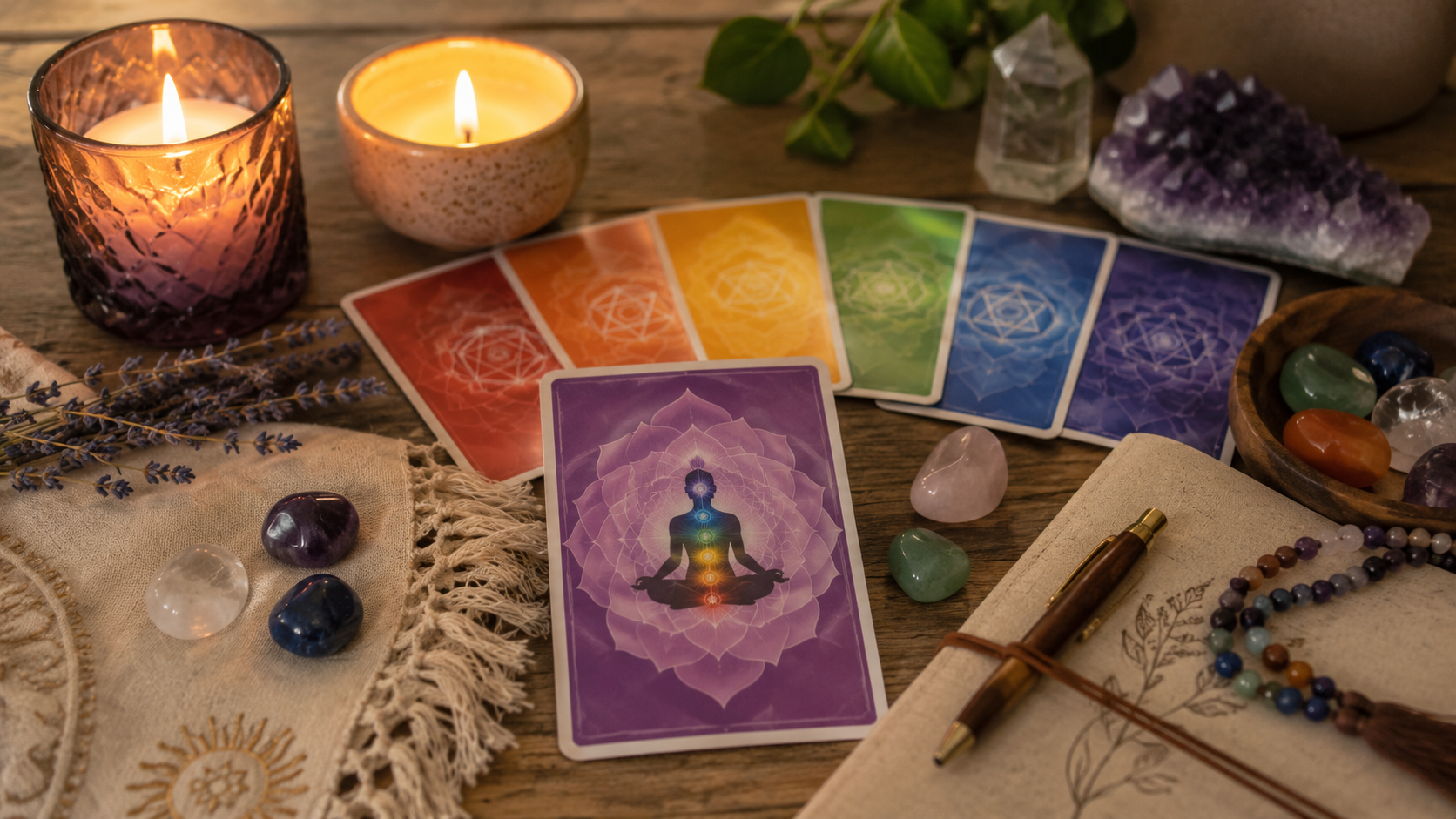
A simple way to combine spiritual tools into one focused chakra healing practice.
Space Cleansing
Simple ways to reset your energy, your space, and your spiritual focus.
A spiritual altar is a small space where you place meaningful items that support reflection, meditation, prayer, energy work, or personal spiritual practice.
No. You can begin with one candle, one crystal, one card, or one meaningful object. A simple altar can be just as powerful as a larger one.
Choose a space that feels calm and easy to return to, such as a small table, shelf, windowsill, nightstand, desk corner, or meditation area.