
Root Chakra — Red
Location: base of the spine. Common themes: grounding, safety, stability, and support.
Chakra Colors
Updated May 12, 2026
A simple visual-style guide to the seven chakras, their colors, and what they represent.
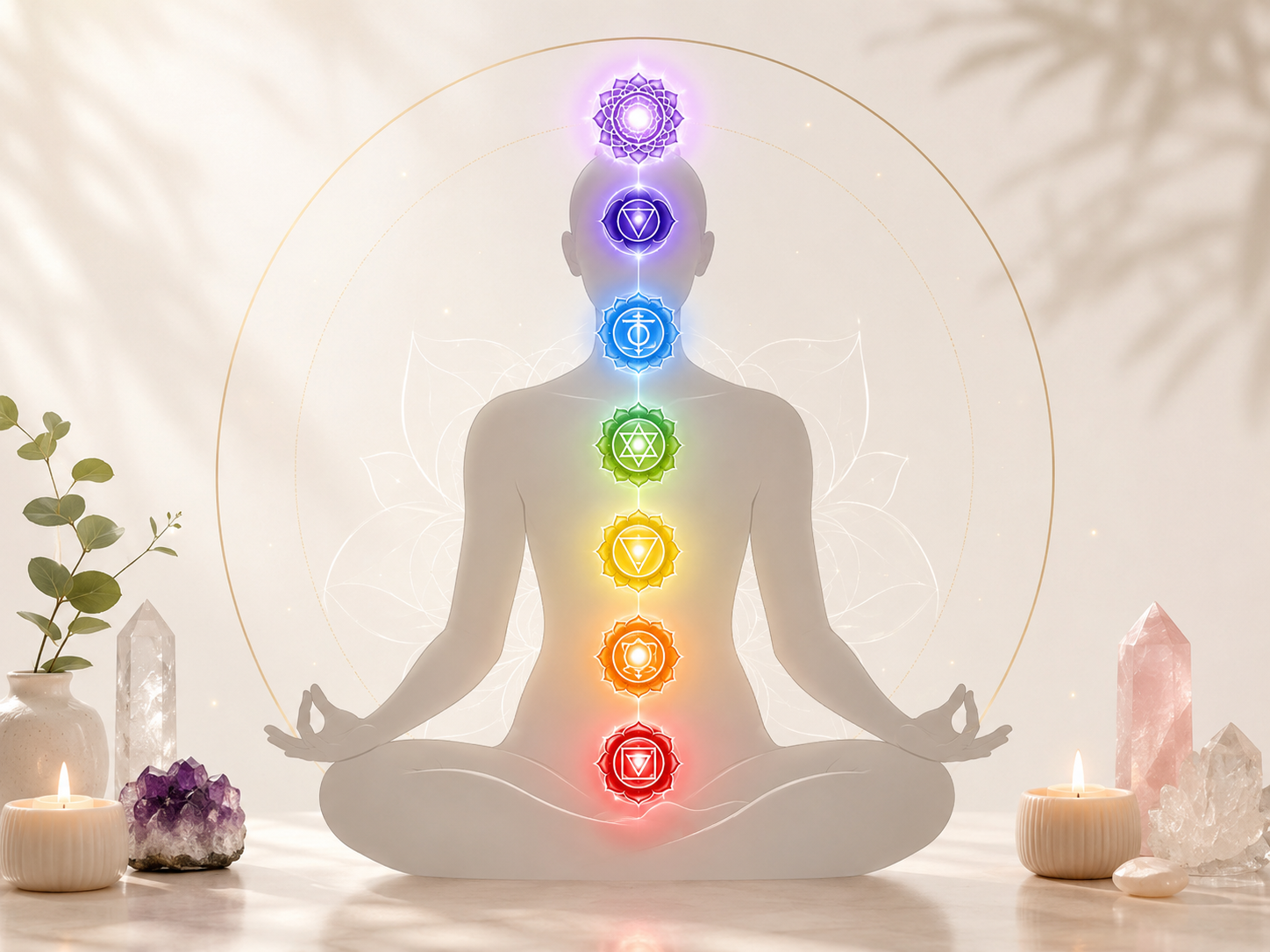
A chakra chart gives you a quick way to understand the seven main chakras, their colors, locations, and the themes commonly connected with each one.
A chakra chart gives you a quick way to understand the seven main chakras. It usually shows each chakra’s color, location in the body, and the life themes commonly connected with it.
This kind of chart can be useful if you are just starting to learn about chakras or if you want a simple reference for meditation, journaling, altar work, or spiritual study.
You do not need to memorize everything at once. A chakra chart simply helps make the system easier to understand and easier to return to.
Location: base of the spine. Common themes: grounding, safety, stability, and support.
Location: lower abdomen. Common themes: creativity, emotion, pleasure, and flow.
Location: upper abdomen. Common themes: confidence, willpower, motivation, and personal power.
Location: center of the chest. Common themes: love, compassion, healing, and connection.
Location: throat area. Common themes: communication, honesty, clarity, and self-expression.
Location: forehead, between the brows. Common themes: intuition, insight, awareness, and inner wisdom.
Location: top of the head. Common themes: spiritual connection, peace, openness, and higher awareness.
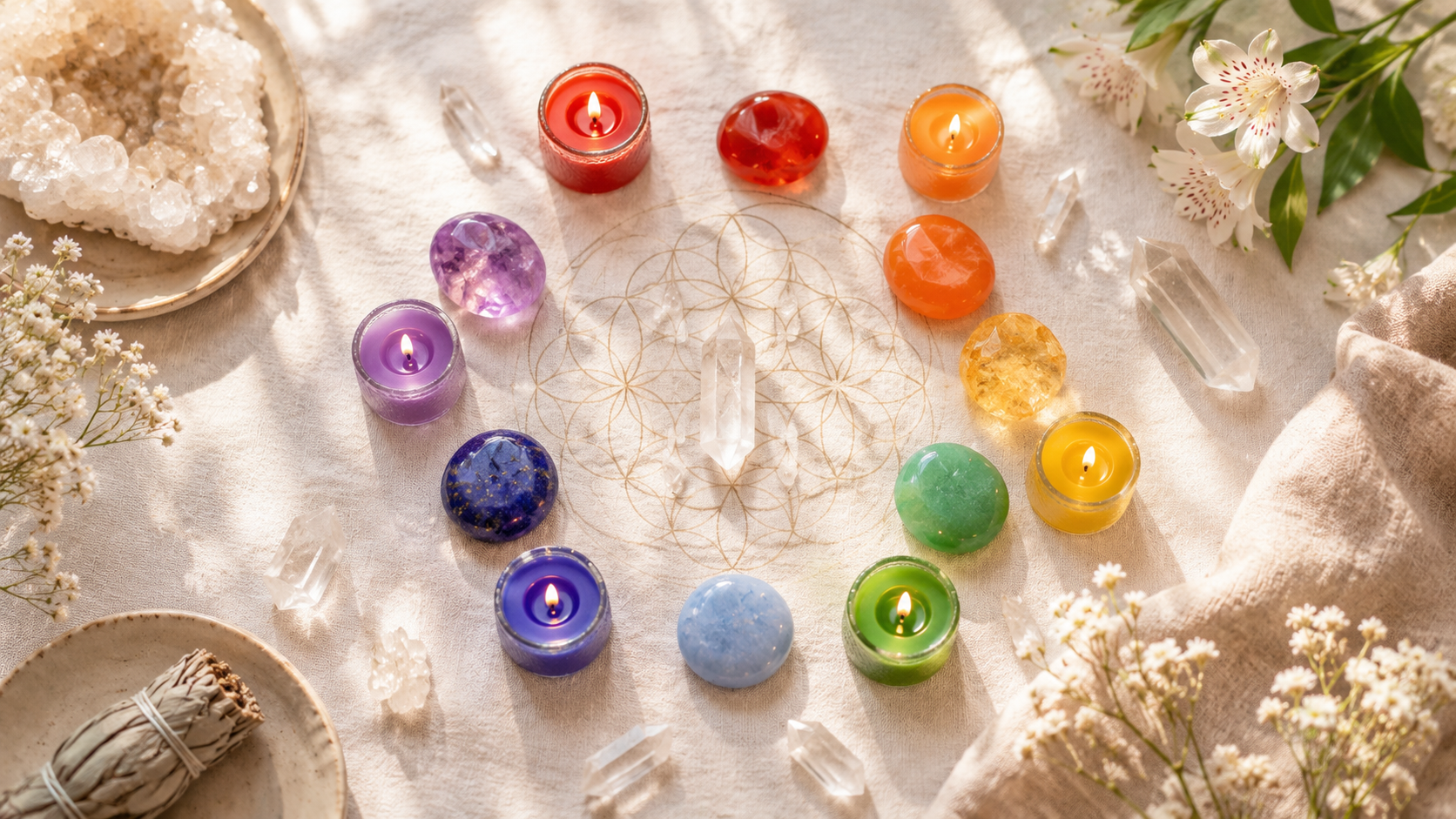
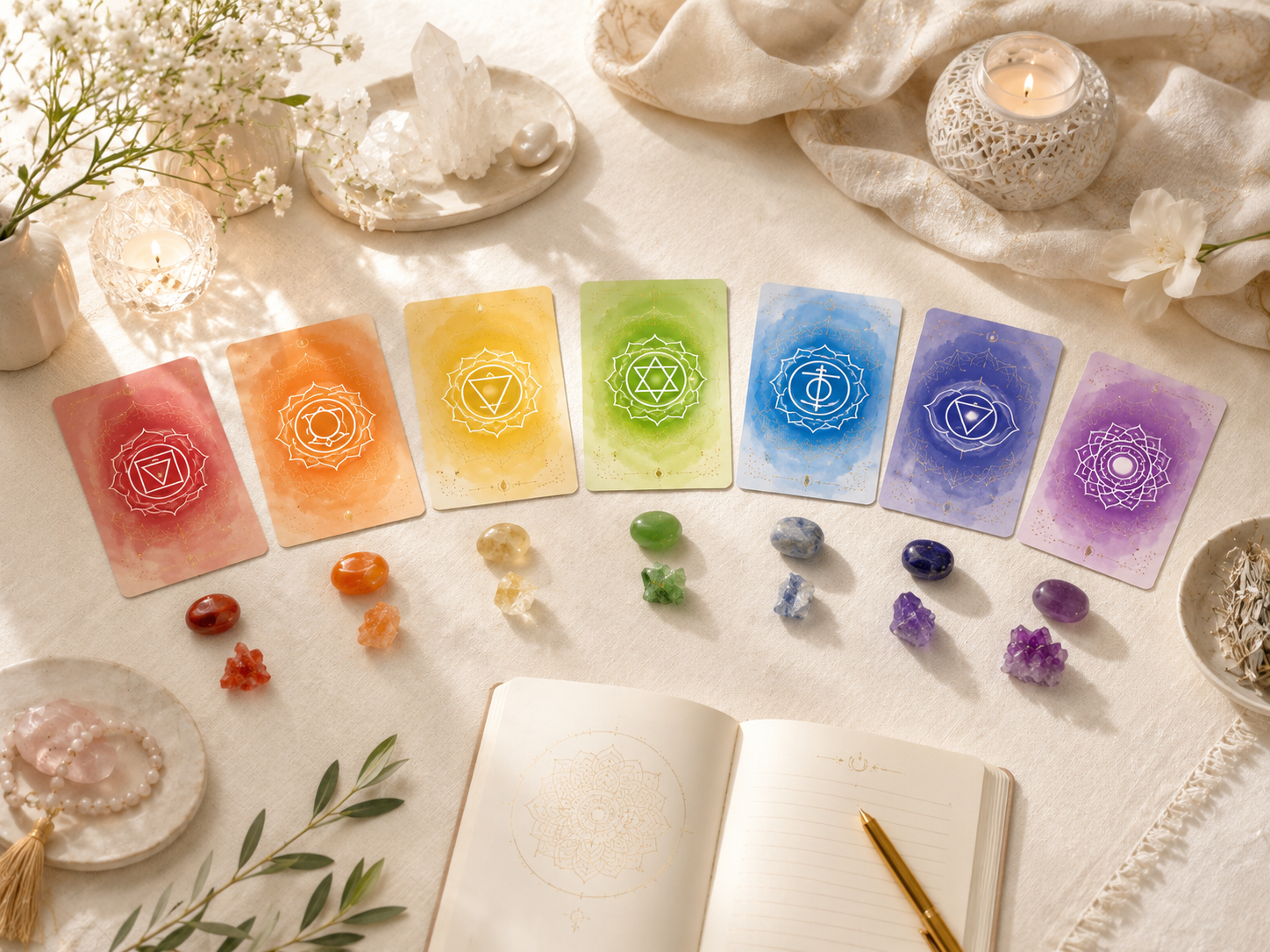
You can use a chakra chart in a few simple ways. You might look at it before meditation, keep it near your altar, use it while journaling, or refer to it when working with chakra stones, candles, or cards.
It can also help when choosing an affirmation. If you know you want to work on grounding, for example, the chart can remind you that the root chakra is connected with the color red and themes of safety and stability.
Over time, the chart becomes less like something you have to study and more like a quick visual guide you naturally understand.
You do not need to learn every chakra detail at once. Start with the chart, notice which chakra themes feel most relevant, and let your understanding grow naturally from there.
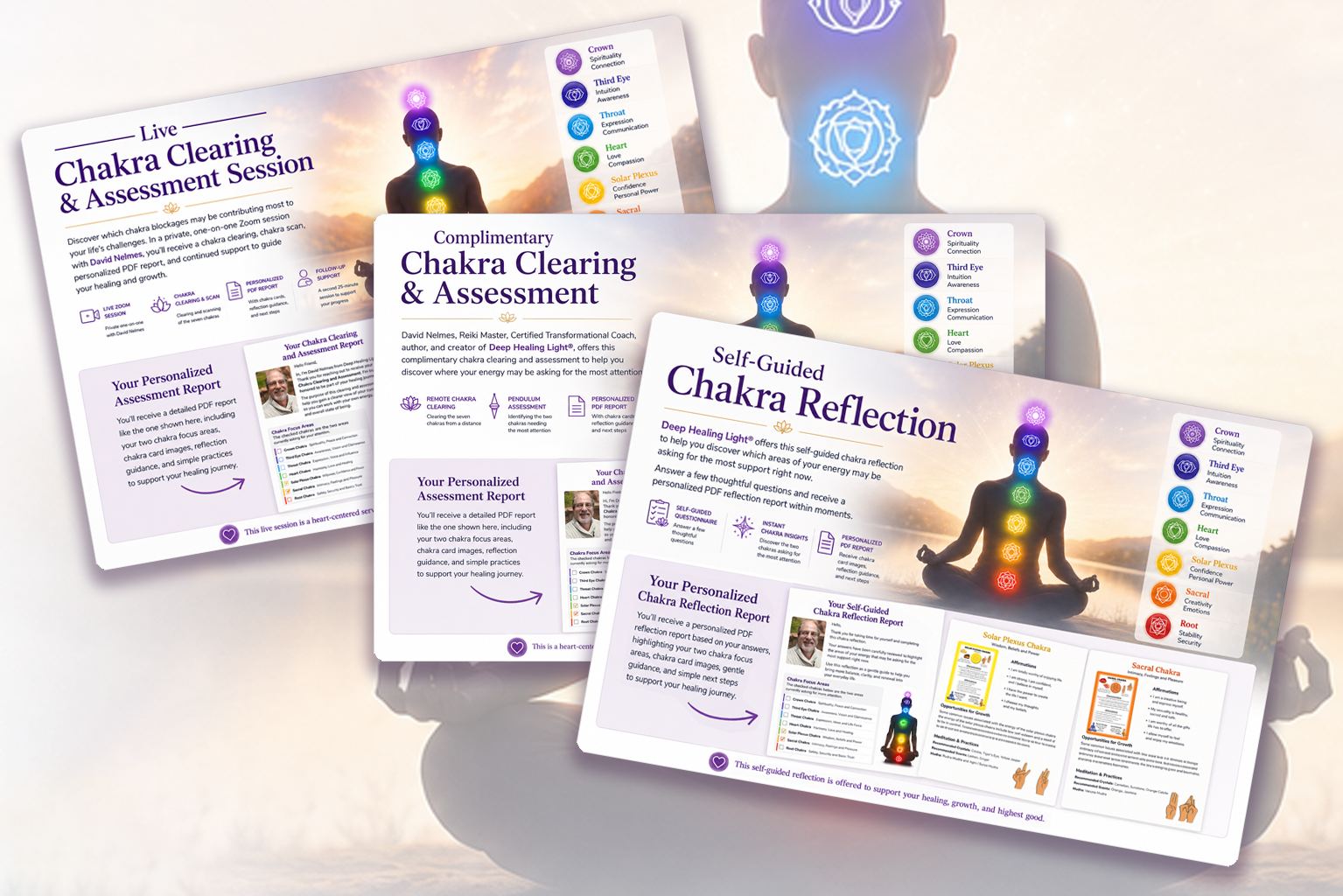
Not sure where to focus?
Choose a personal chakra reading and clearing, request the complimentary remote reading and clearing, or take the free chakra test for an immediate self-guided result. Each option helps narrow your focus to two chakra areas and provides a personalized Chakra Assessment Report with guidance for your next steps.
If this guide was helpful, you may also enjoy these related Learning Center guides.
Chakra Basics
A simple guide to the colors connected with each of the seven chakras.
Chakra Colors
Use color-based affirmations to support each chakra in a simple and meaningful way.
Chakra Basics
A simple beginner-friendly introduction to the seven main chakras.
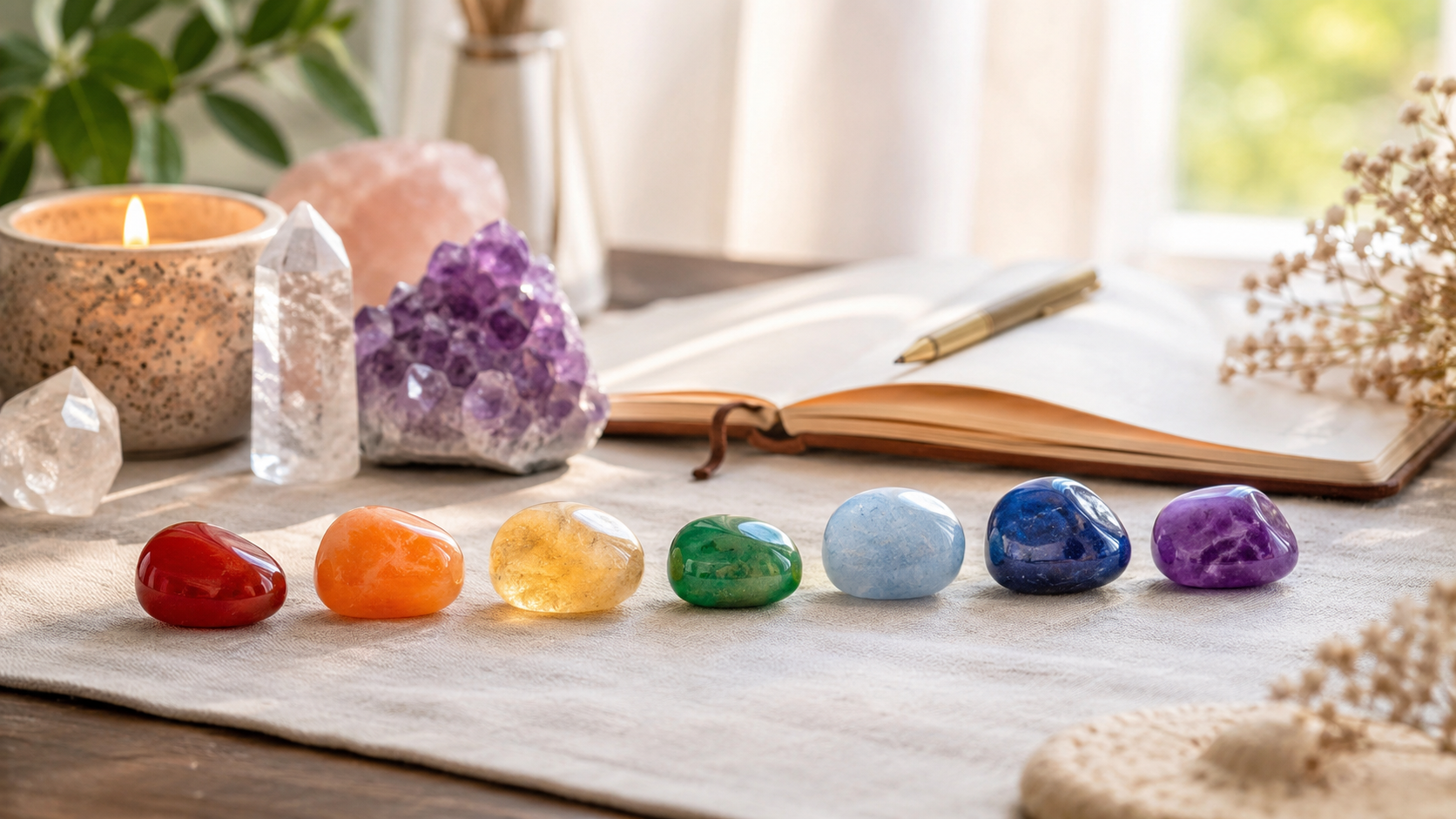
A chakra chart is a simple reference tool that shows the seven chakras, their colors, locations, and common meanings.
Most modern chakra charts use the same rainbow-style color sequence, although some traditions may describe details a little differently.
You can use a chakra chart for study, meditation, journaling, altar work, or simply as a quick reminder of chakra meanings and themes.